Skip to content




Table of Contents
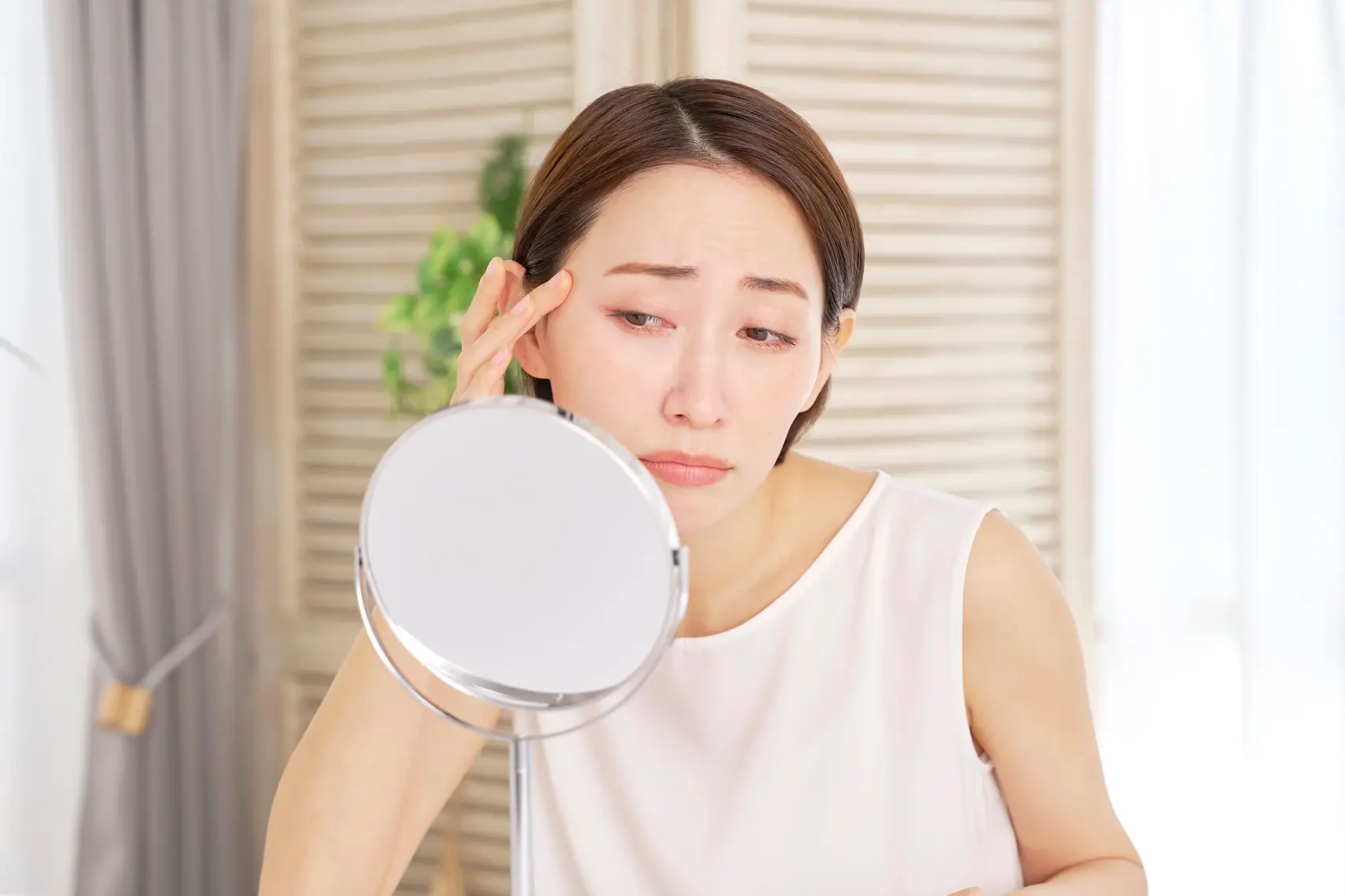
You looked in the mirror one morning, and something was a little different. Your skin did not seem to bounce back the way it used to. That quiet moment is how most people first notice early signs of aging skin. At Our Little Secret Aesthetics, we help our patients choose the best treatment option for them.
Does Fort Myers Weather speed up early signs of aging skin?
Southwest Florida tends to speed up that timeline. UV never really takes an off-season here, so January exposure adds up the same way July does. Humidity hides dehydration well, leaving skin dewy while the barrier quietly weakens. Factor in light reflecting off the water at Fort Myers Beach and air conditioning pulling moisture from your skin indoors, and those changes tend to show up sooner.
What “Early Signs of Aging” Actually Means
Early aging shows up in texture, tone, and firmness long before it shows up as a deep wrinkle. That is the part most people are not expecting. You might have no lines worth mentioning and still feel like your face looks tired in photos, and both things can be true at once.
For most people, these shifts begin somewhere in the late twenties to early thirties, when collagen production starts its slow annual decline. Dermatologists generally divide causes of skin aging into two buckets.
Intrinsic aging is the part written into your genes and your calendar. Extrinsic aging comes from sun, pollution, sleep, stress, and habits, and it accounts for the majority of what you actually see. The second bucket is the one you have real influence over.
The First Signs Most People Notice
The earliest skin aging symptoms usually announce themselves in four familiar ways:
- Fine lines that stay faintly visible after your face relaxes. This is the shift from dynamic lines, which appear only with expression, to static lines, which linger at rest.
- A loss of the light-reflecting quality people call glow. Cell turnover slows with age, leaving more dead cells on the surface to scatter light instead of bouncing it back.
- Uneven tone. Sun spots, patches of redness, and small visible capillaries across the cheeks and nose tend to arrive gradually, which is exactly why they are easy to overlook until a photo catches them.
- Skin that feels tight by midday, or drinks in moisturizer faster than it used to. That is usually a barrier that has weakened, not a product that stopped working.
None of these mean anything has gone wrong. They are simply information.
Signs That Are Easy to Miss
Some unusual skin changes are subtle enough that people dismiss them for years. Pores that look larger are often the first. That is typically reduced elasticity around the opening, not congestion, which is why scrubbing harder never helps and sometimes makes things worse.
Makeup is another quiet messenger. When foundation starts settling into places it never settled before, the texture underneath has changed, even if the mirror hasn’t caught up. You might also notice your skin takes longer to recover from a breakout, a scratch, or a sunburn, since repair slows along with everything else.
Then there is the neck and the delicate skin around the eyes, where thinning and a soft, crepey texture often appear first. Skincare routines often skip these areas, and signs of premature skin aging often appear there first.
Why Your Skin Starts Changing in the First Place
Every sign above traces back to a handful of changes happening beneath the surface. Collagen gives skin structure, and elastin lets it snap back. Both decline steadily over time, so skin becomes less firm and recovers its shape more slowly.
At the same time, cell turnover stretches out. In your twenties, the cycle runs roughly four weeks. Later, it takes noticeably longer, which dulls the surface. Cumulative ultraviolet exposure drives most visible change, and because it adds up quietly over decades, you rarely have a single sunburn to blame.
Finally, there is the barrier. When it is compromised, transepidermal water loss increases, meaning moisture escapes faster than your skin can replace it. That is the tightness you feel, and it also makes every other change look more pronounced.
What to Do When You Notice These Signs
Start with sunscreen; it’s the single highest-return habit for anyone with concerning skin changes. Use broad-spectrum sunscreen every morning, and reapply throughout the day instead of just once at 8 a.m. Good anti-aging skincare supports the barrier and helps turnover, but it works best when protection is already in place.
From there, a professional evaluation at Our Little Secret Aesthetics matters more than picking a treatment off a menu, because texture, tone, and firmness respond to different things. Here’s a general map of anti-aging treatments in Fort Myers, FL. Light-based and resurfacing options such as Sciton® BBL HEROic™ and MOXI® typically target tone and surface texture.
Microneedling at Our Little Secret Aesthetics works by prompting the skin’s own collagen response over a series of sessions. Injectables, including dermal filler and Sculptra®, address lines and lost volume. Most patients see gradual improvement rather than overnight change, and results vary by skin type, history, and consistency.
The encouraging part is that addressing these changes while they are still subtle is generally easier than waiting for them to become established. This is maintenance, not correction, and nobody has to decide anything today. At Our Little Secret Aesthetics, we help clients choose the best treatment option for them.
Ready When You Are
Noticing early signs of aging skin isn’t a reason to panic; it’s a conversation worth starting. The team at Our Little Secret Aesthetics is happy to look at what your skin is actually doing and talk through your options honestly. Start addressing the Early Signs of Skin Aging with a consultation whenever you feel ready.